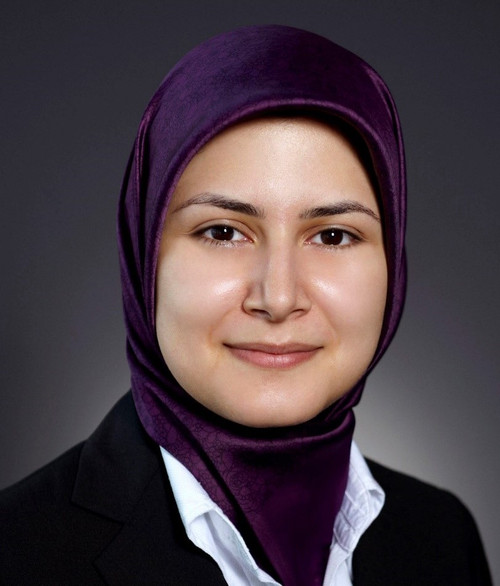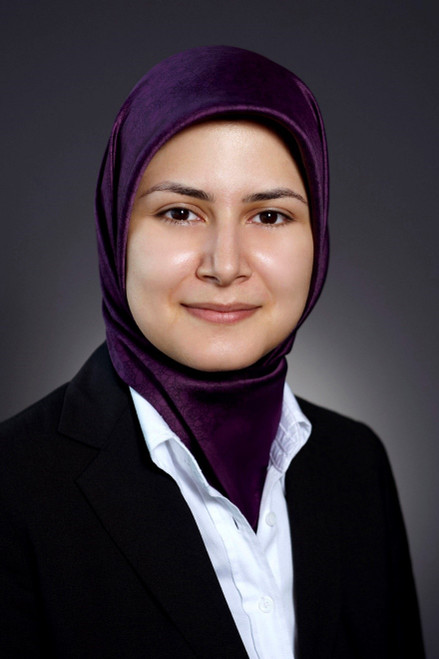


Presenter/s: Behnoush Shafiei Sararoodi RCIC
Date: 05 March 2026
Time: 11 am - 2 pm Pacific
Location: webinar
Type: webinar and recording
Price: $75.00
CPD approval:
- CICC 3 hours- 3 CPD hours approved. Video recording will expire 05 March 2027.
- LSBC 3 hours - 3 CPD hours approved. Video recording will expire 31 December 2026. Attendance to this course will provide you with 30 minutes of ethics and professional responsibility component for your BC Law Society reporting.
- Law Societies of Alberta, Manitoba, Newfoundland and Labrador, and Nova Scotia
- For members of these Law Societies, consider including this course as a CPD learning activity in your mandatory annual requirements.
Outline:
Refugee Claim Process in Canada
1. Introduction & Learning Objectives (5–10 minutes)
- Purpose of the session
- Relevance to RCIC practice
- Scope and limitations (not legal advice)
- Learning objectives:
- Understand the full refugee claim lifecycle
- Identify procedural and evidentiary risks
- Apply IRPA, IRPR, and IRB jurisprudence in practice
- Anticipate upcoming legislative changes (Bill C-12)
2. Legal Framework Governing Refugee Protection (10 minutes)
- International law foundations
- 1951 Refugee Convention
- Convention Against Torture (CAT)
- Domestic legislation:
- IRPA ss. 95–115
- IRPR
- Role of:
- IRCC
- CBSA
- IRB (RPD & RAD)
3. Who Can Make a Refugee Claim? (Eligibility) (15 minutes)
- Inland vs Port of Entry claims
- Statutory ineligibility grounds:
- IRPA s. 101
- Safe Third Country Agreement (STCA)
- Prior claims / recognized refugee elsewhere
- Practical screening checklist for RCICs
- Red flags at intake
4. Making the Claim: Procedural Steps (20 minutes)
A. At a Port of Entry
- CBSA examination
- Eligibility determination
- Referral to IRB
B. Inland Claims
- IRCC online portal
- Identity and documentation requirements
Key timelines:
- Acknowledgment of claim
- Referral timelines
- Work permit eligibility
5. Basis of Claim (BOC) Form (20 minutes)
- Legal purpose of the BOC
- Structure and mandatory content
- Common credibility pitfalls
- Amendments and late disclosure
- Best practices for RCICs
6. Country Condition Evidence (15 minutes)
- Objective vs subjective evidence
- Accepted sources:
- IRB NDP
- UNHCR
- NGO and human rights reports
- Using country evidence strategically
- Avoiding over-reliance or outdated sources
7. RPD Hearing Process (20 minutes)
- Role of:
- RPD Member
- Minister’s counsel (when applicable)
- Counsel/Representative
- Examination and questioning
- Credibility assessment
- Vulnerable person and DCO considerations
8. Decision Outcomes & Next Steps (10 minutes)
- Accepted claims → Protected Person status
- Rejected claims:
- RAD eligibility
- Judicial Review
- Timing and consequences of each option
9. Post-Decision Remedies (15 minutes)
- RAD appeals
- Judicial Review at Federal Court
- PRRA
- H&C considerations after refusal
10. Q&A and CPD Reflection
- Open questions
- Key takeaways
- Suggested follow-up readings and resources
Competency Mapping
Foundational Knowledge
1.3 Interprets Canadian immigration and refugee legislation, regulations, and policies.
1.3.2 Demonstrates knowledge of the refugee determination system in Canada and refugee resettlement system abroad.
1.3.4 Accurately applies immigration, refugee and citizenship legislation, regulation, policies to various cases.
1.5 Synthesizes and applies case law to various immigration and citizenship cases.
1.5.2 Identifies the leading cases that impact Canadian immigration, refugees and citizenship.
1.8 Identifies global issues that have an influence on Canadian immigration policies and directives.
Case Management
2.3 Acquires accurate and authentic documentation to support the application process.
2.3.1 Conducts a comprehensive interview with the client and relevant others to collect information pertaining to the immigration, refugees or citizenship process and that could impact the client’s application or their current immigration status.
Professionalism
6.1 Demonstrates and maintains competence in practice.
6.1.2 Stays current and complies with legislation, regulation, professional standards, policies and guidelines.
Speaker:
Behnoush Shafiei Sararoodi is a Regulated Canadian Immigration Consultant (RCIC) with a focused practice in refugee and protection law. Having immigrated to Canada in 1998, she brings both professional expertise and lived experience to her work. Since 2021, she has represented individuals and families in refugee claims and appeals, admissibility hearings, humanitarian and compassionate applications, and criminal rehabilitation matters, with a compassionate, client-centred approach to advocacy and education.
While speakers and topics are confirmed at the time of publication, sometimes things happen which are beyond the control of Imm Seminars. If that happens substitutions or cancellations to speaker/s and/or topic/s may be necessary. In those cases, Imm Seminars will advise all registrants by email as soon as possible. We will also update the Imm Seminars website. We appreciate your cooperation in these cases.